
Is Sushi Healthy?
Sushi is one of the most popular dishes in the world, and for good reason — it combines fresh ingredients, balanced nutrients, and excellent taste. But is sushi really healthy? The answer is yes — when you make the right choices.
Sushi Nutrition Profile
- Omega-3 fatty acids — salmon, tuna, and other fish are rich sources of omega-3, supporting heart and brain health
- Quality protein — fish and seafood provide easily digestible protein
- Vitamins and minerals — nori (seaweed) contains iodine, iron, and B vitamins
- Antioxidants — wasabi and ginger are natural antioxidants
Calories by Sushi Type
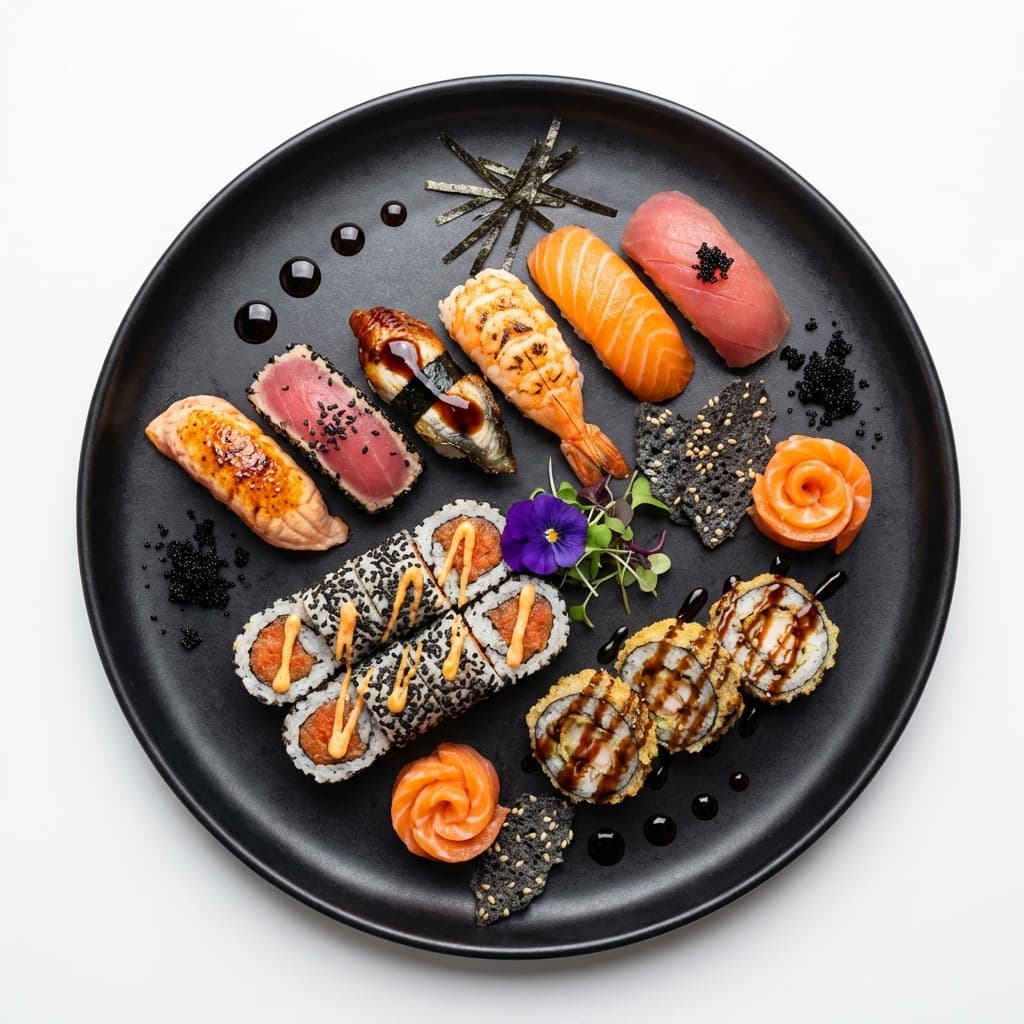
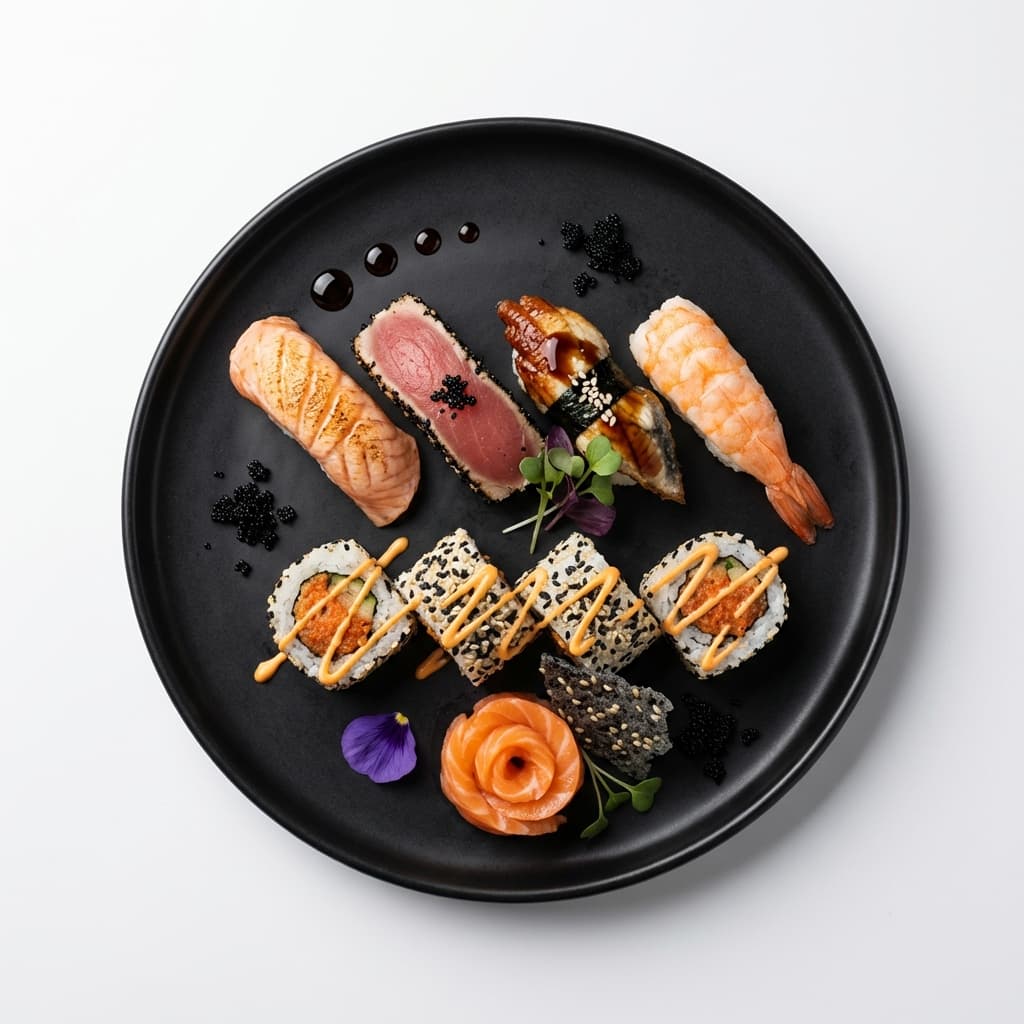
- Sashimi — lowest calories (30-40 kcal per piece), pure fish without rice
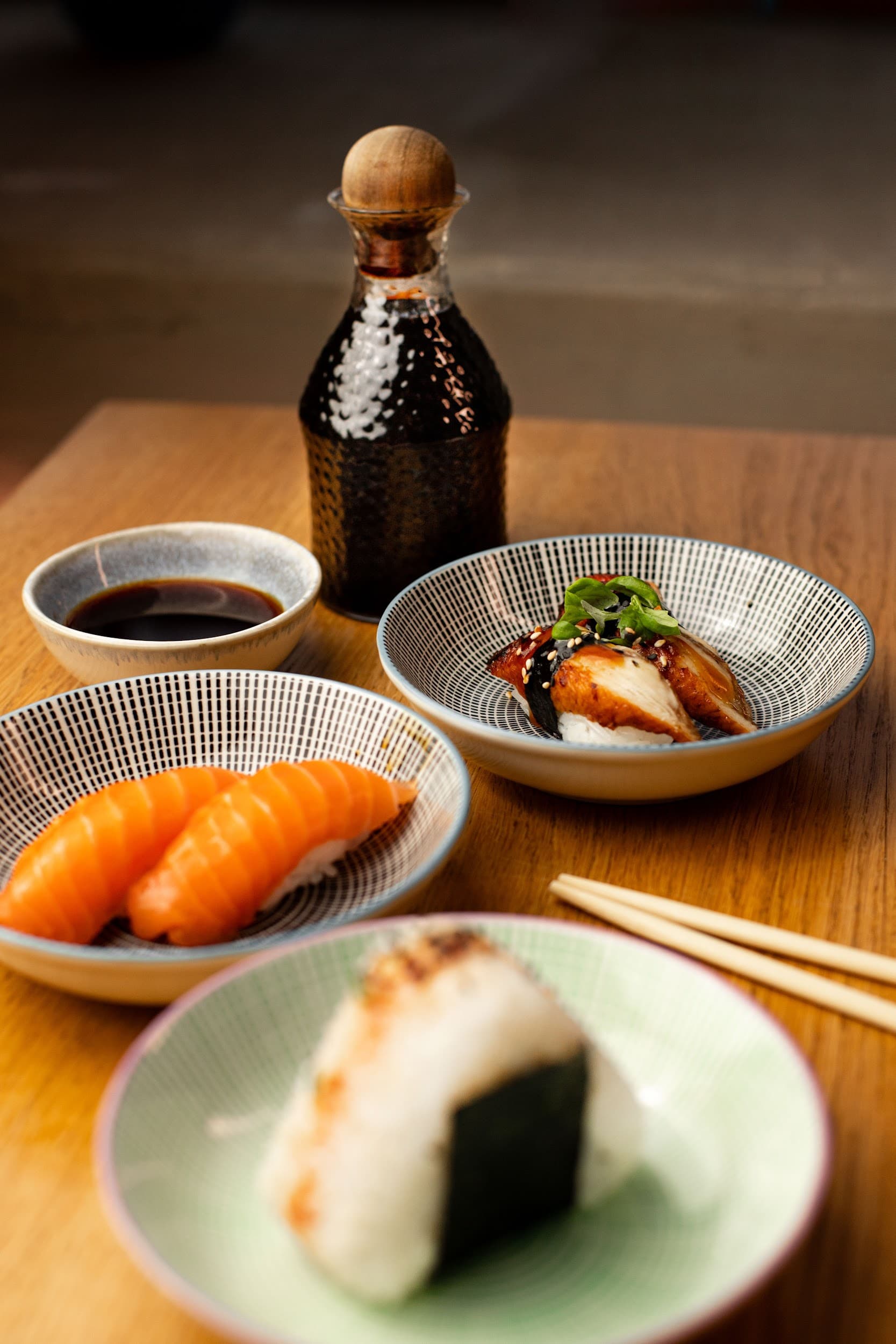
- Nigiri — moderate (40-65 kcal), fish on rice
- Hosomaki — light choice (25-35 kcal), thin rolls
- Maki rolls — varies by filling (40-80 kcal per piece)
Healthier Sushi Choices
- Choose sashimi or nigiri — less rice, more fish
- Prefer salmon and tuna — high omega-3 content
- Limit soy sauce — it contains a lot of sodium
- Use fresh wasabi — a natural antioxidant
- Try hosomaki — smaller portions, less rice
Omega-3 and Heart Health
Studies show that regular fish consumption (2-3 times per week) reduces cardiovascular disease risk. Sushi is one of the best ways to eat fish, as it's raw or minimally processed, preserving maximum nutrients.
Sushi and Diet
- Low-calorie diet — choose sashimi and hosomaki
- High-protein diet — nigiri and sashimi are protein-rich
- Gluten-free — most sushi is naturally gluten-free (check soy sauce)
Want to try healthy and delicious sushi in Tallinn? Check out our menu and find your favorite!